What a New Singapore Company Actually Needs to Print
You have your UEN, the bank account is open, and the first client meeting is next week. Somewhere between incorporation and trading, most new Singapore companies discover they need a small pile of printed items, usually in a hurry.
This is a plain guide to what a newly incorporated company actually orders, what each item is for, and which ones you can safely put off.

A company stamp comes first
A company stamp, also called a company chop, is what most Singapore businesses reach for first. It goes on invoices, delivery orders, quotations, cheques and letters of authorisation. Banks, suppliers and government agencies routinely expect to see one.
Self-inking stamps are the practical choice. The ink pad sits inside the body, so you press once and the stamp re-inks itself. Each ink load gives around 1,000 clean impressions before it needs refilling, and the stamp can be refilled rather than replaced.
You will choose between two shapes. Round stamps are the conventional company chop format in Singapore and typically carry the company name, UEN and sometimes a logo. Rectangle stamps suit longer content, such as a full registered address, bank account details, or a signature block.
Most new companies order a round stamp first and add a rectangle one later, once they know which details they are writing out repeatedly by hand.
You can see both formats in the self-inking company stamp range.
Whether you need a common seal
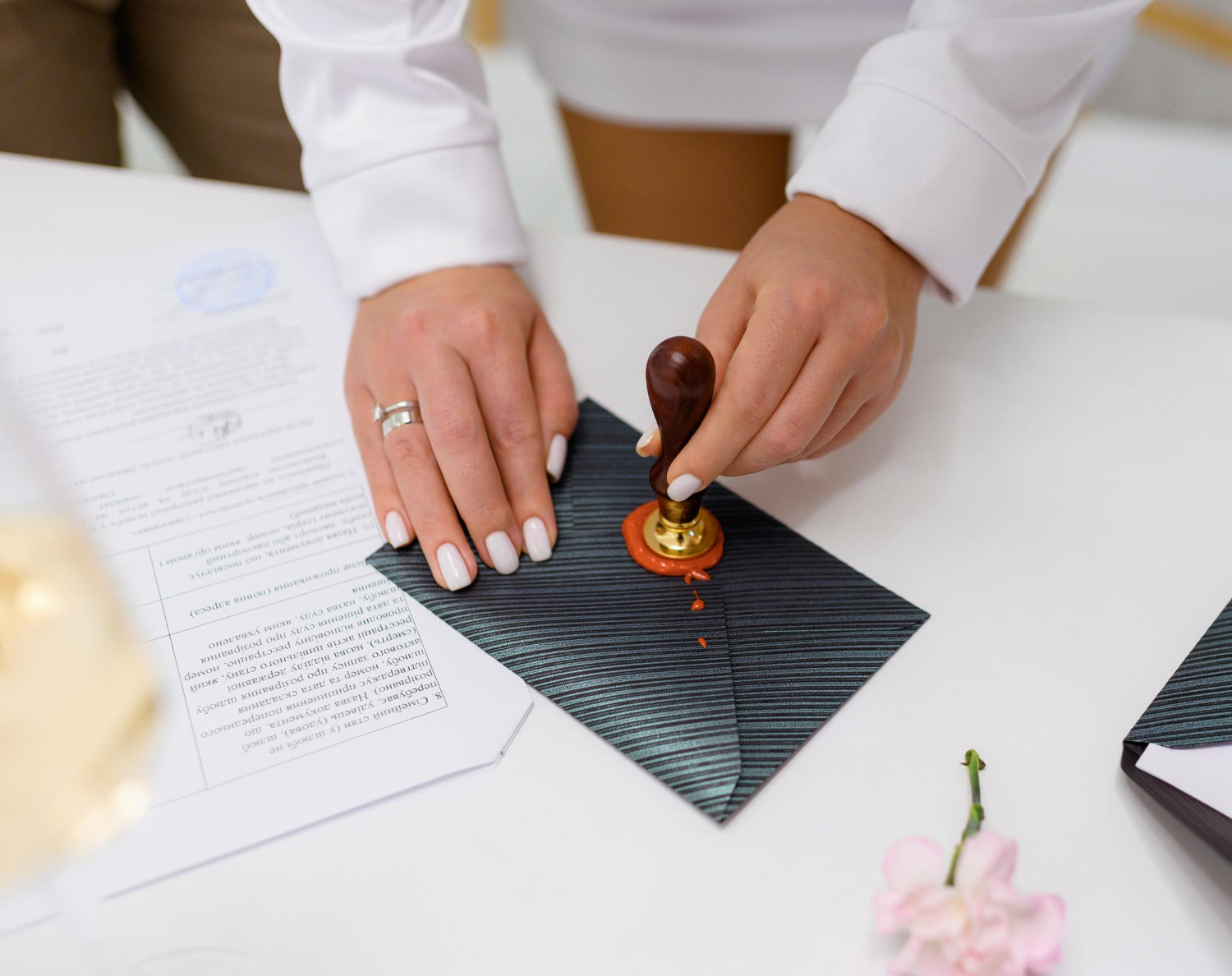
A common seal, also called a company seal or metal seal, embosses a raised impression into paper rather than printing ink onto it. It is used on share certificates, company registers, certificates of incumbency and certain formal agreements.
Not every new company needs one immediately. Where it becomes necessary is when you issue share certificates, when a corporate secretary or registrar asks for sealed documents, or when a counterparty specifically requires a sealed execution.
Many companies order the stamp on day one and the seal only when the first share certificate is issued. That is usually the right sequence, because the stamp gets used weekly and the seal may not be used for months.
Seals come in two formats. A pocket seal is compact enough to bring to a signing. A table seal is heavier and suits repeated use in an office, which matters if you are sealing a batch of certificates rather than one document.
Common seals are made to your company details, so the die is cut once and used for years.
Name cards, digital or offset
The decision here is quantity, not quality. Both routes produce a professional card.
Digital printing suits one to five boxes. There is no plate set-up cost, so a small run stays cheap and turnaround is short. This is the right choice for a new hire, a role change, or a company still adjusting its branding.
Offset printing suits two boxes and above. Plates cost money to create, but once they exist each additional card is very cheap, so the cost per card is lower at every quantity offset can handle. Colour is also more consistent across a long run, which matters if your logo uses a specific corporate colour. The trade is speed and minimum order. Offset cannot do a single box, and it takes longer.
A practical rule for a new company. Order a single digital box first, use them for two months, then reprint properly in offset once you know the design is settled and the job titles have stopped changing.
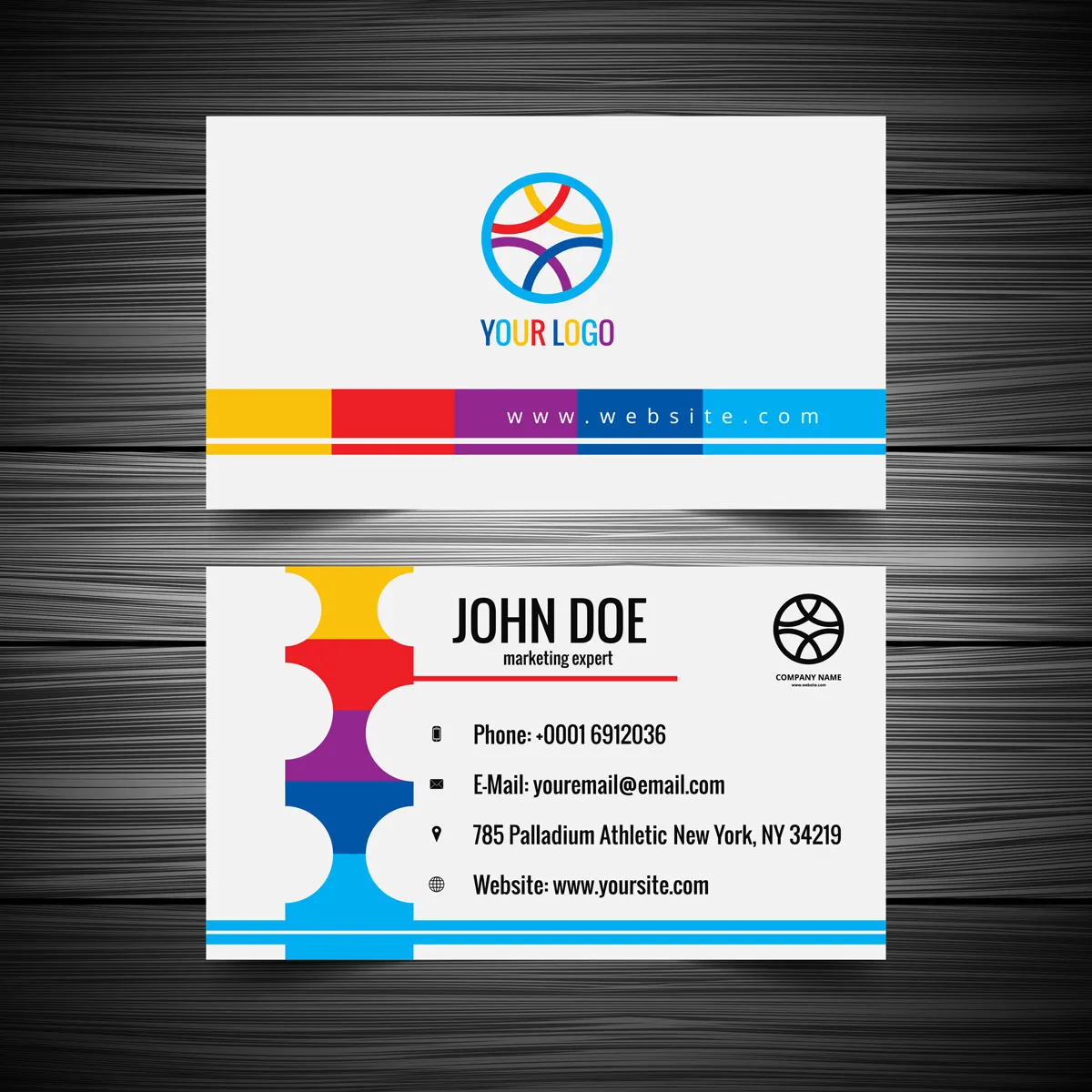
Standard Singapore name card size is 90mm by 54mm. Options run from gloss art card and matt white through to textured and shimmering stocks. See the digital name card and offset name card ranges.
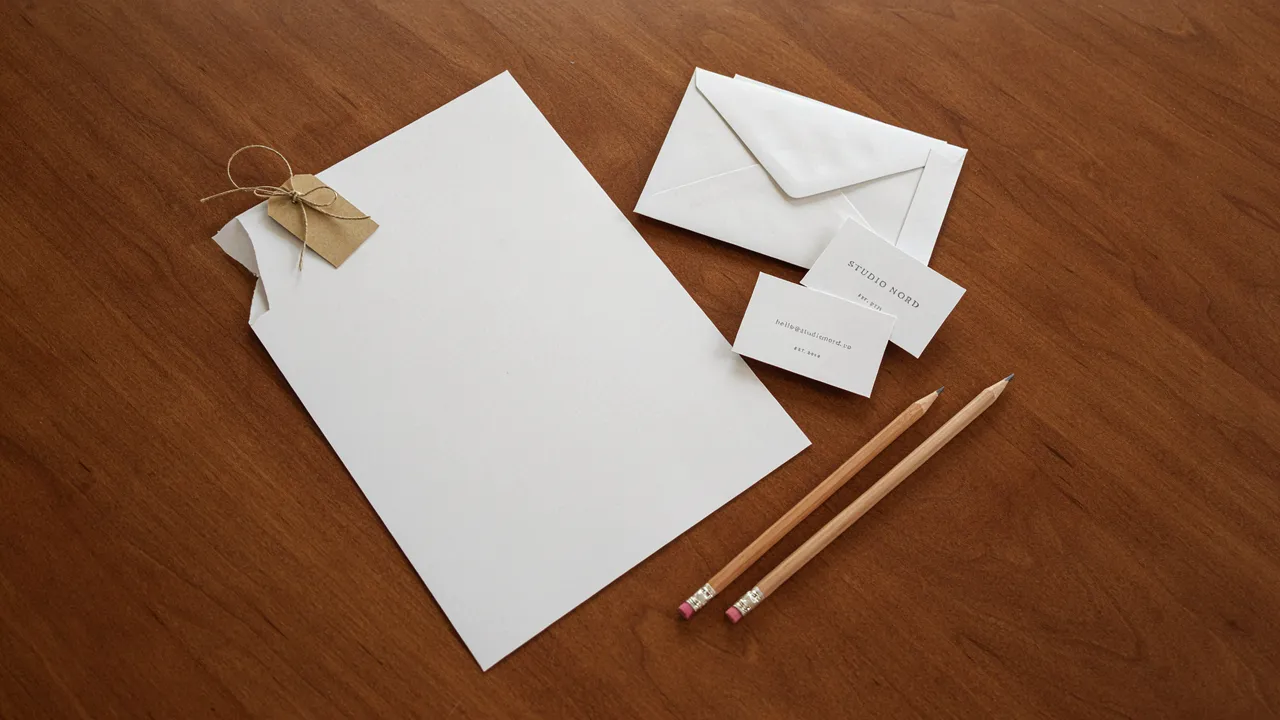
Letterheads and envelopes
Once the stamp and cards are sorted, letterheads and envelopes are what make quotations, invoices and formal correspondence look like they came from an established business rather than a template.
Both are available at low minimum order quantities from most suppliers, so a new company does not need to commit to thousands of sheets before knowing how many it will use.
What to prepare before ordering
Getting your files right the first time is the difference between collecting on schedule and losing two days to a resupply.
File format: AI with all text converted to outlines, or an editable PDF with fonts embedded
Resolution: 300dpi at final size
Colour mode: CMYK, with black set to 100% K
Bleed: 3mm on all sides
Not accepted: Microsoft Office files, or scanned cards saved as PDF
For stamps, artwork is usually simpler. Most suppliers design the layout from your wording, so you send the text rather than a designed file.
Typical lead times
Note that lead times start at artwork approval, not at enquiry. Two days spent agreeing a design are two days out of your own buffer, which is the single most common reason an order arrives later than expected.